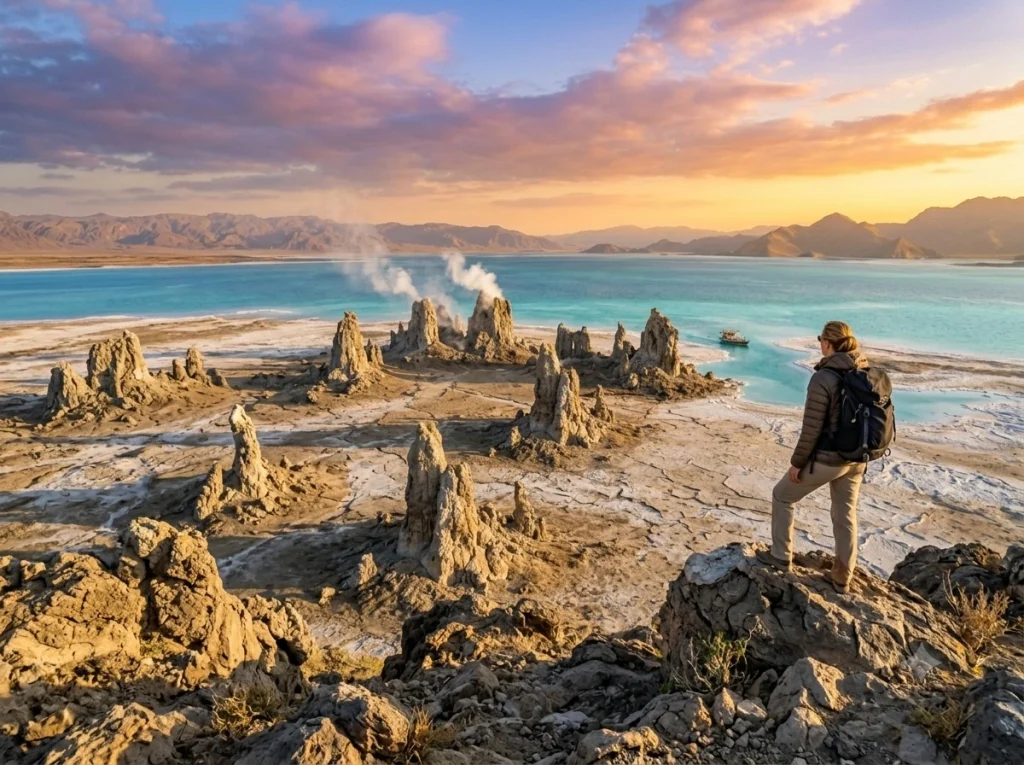
For many travelers, Djibouti is one of those destinations that sparks curiosity long before they start planning a trip. Located at the crossroads of Africa and the Arabian Peninsula, the country is known for its dramatic landscapes, unique geological wonders, marine wildlife, and experiences that are difficult to find anywhere else in the world.
One of the most common questions first-time visitors ask is simple:
How many days do you actually need in Djibouti?
The answer depends on your interests, travel style, and what you hope to experience during your visit. While some travelers arrive on cruise ships or have only a short stopover, others want to explore volcanic lakes, remote desert landscapes, coastal towns, islands, and even swim alongside whale sharks.
The good news is that Djibouti is relatively compact compared to many African destinations. However, the country’s most remarkable attractions are spread across different regions, making itinerary planning more important than many travelers initially expect.
Before deciding whether one, two, or three days will be enough, it helps to understand which destinations are truly worth prioritizing.
Why Djibouti Is Worth More Than a Quick Stopover
Djibouti is often overlooked in favor of larger East African destinations, yet it offers a combination of experiences that few countries can match.
Within a relatively small area, travelers can witness towering limestone chimneys rising from desert plains, float effortlessly in one of the saltiest lakes on Earth, explore untouched islands, discover traditional coastal towns, and encounter whale sharks in crystal-clear waters.
Unlike destinations that focus primarily on wildlife safaris or beaches, Djibouti appeals to travelers looking for something different. Photographers, adventure seekers, nature lovers, and curious explorers often find themselves wishing they had allocated more time after arriving.
Many first-time visitors initially assume a single day will be enough. However, once they learn about destinations such as Lake Assal, Lake Abbe, Tadjourah, and the Gulf of Tadjourah, they quickly realize that extending their stay allows for a much richer experience.
What Are the Must-See Places in Djibouti?
Before deciding how many days you need, it helps to identify the destinations that interest you most. These locations form the foundation of nearly every well-planned Djibouti itinerary.
Why Lake Assal Is the First Place Most Travelers Add to Their Djibouti Itinerary
If there is one destination that defines tourism in Djibouti, it is Lake Assal.
Located approximately 155 meters below sea level, Lake Assal is the lowest point in Africa and one of the saltiest lakes in the world. The combination of white salt formations, volcanic terrain, and vivid blue water creates a landscape that feels almost otherworldly.
Many travelers are surprised by how dramatically the scenery changes throughout the journey. One moment you are driving through rugged volcanic landscapes, and the next you are standing beside a shimmering salt lake surrounded by some of the most striking scenery in East Africa.
Lake Assal is also famous for its floating experience. Thanks to the lake’s extremely high salinity, visitors can float effortlessly on the water’s surface, creating one of the most memorable moments of any trip to Djibouti.
For travelers with limited time, Lake Assal is often considered the highest-priority destination in the country.
If floating in one of the world’s saltiest lakes sounds appealing, you may also enjoy our guide on floating in Lake Assal.
Why Lake Abbe Offers One of Africa’s Most Unusual Landscapes
While Lake Assal is Djibouti’s most famous attraction, Lake Abbe is often the destination that leaves the strongest impression.
Situated near the Ethiopian border, Lake Abbe is renowned for its towering limestone chimneys, geothermal activity, and dramatic desert environment. The landscape looks so unusual that many visitors compare it to scenes from another planet.
The area is particularly popular among photographers because of the way the light transforms the landscape during sunrise and sunset. Long shadows stretch across the desert floor while steam rises from geothermal vents, creating extraordinary visual opportunities.any visitors choose two-day or three-day itineraries rather than limiting themselves to a single day trip.
For travelers seeking unique geological formations, desert scenery, and photography opportunities, Lake Abbe is often considered one of the highlight
Unlike destinations that can be explored in a few hours, Lake Abbe rewards travelers who are willing to spend more time in the region. This is one of the main reasons ms of Djibouti.
Why Tadjourah Is More Than Just a Stop Along the Coast
Known as the White City, Tadjourah is one of Djibouti’s oldest and most charming towns.
Located on the shores of the Gulf of Tadjourah, the town offers a completely different atmosphere from the country’s volcanic and desert landscapes. Whitewashed buildings, coastal scenery, and a slower pace of life provide visitors with an opportunity to experience a different side of Djibouti.
Trip to Tadjourah also serves as a gateway to some of the country’s most popular marine experiences. Many whale shark excursions, snorkeling trips, and coastal adventures either originate from or pass through the area.
Travelers who enjoy combining natural attractions with cultural experiences often find Tadjourah to be a rewarding addition to their itinerary.
Why Moucha Island Appeals to Nature Lovers and Marine Enthusiasts
Many first-time visitors are surprised to learn that Djibouti also offers beautiful island experiences.
Moucha Island is one of the most popular destinations for travelers seeking crystal-clear water, coral reefs, and marine life. The island provides an entirely different experience compared to Lake Assal or Lake Abbe, making it an excellent addition to longer itineraries.
Snorkeling opportunities, boat excursions, and relaxed island scenery make Moucha Island especially attractive to couples, families, and travelers looking to balance adventure with relaxation.
For those interested in marine activities, adding an island experience can significantly enhance a multi-day Djibouti itinerary.
Why Whale Shark Encounters Are One of Djibouti’s Most Extraordinary Experiences
Few destinations in the world offer the opportunity to observe whale sharks in such accessible conditions.
Between roughly November and February, the Gulf of Tadjourah becomes one of the best places in the region to encounter these gentle giants.
Despite being the largest fish in the world, whale sharks are harmless filter feeders. Swimming alongside them is often described as a once-in-a-lifetime experience and consistently ranks among the most memorable activities available in Djibouti.
For travelers visiting during whale shark season, this experience alone can justify extending a trip from one day to three days.
It is also one of the reasons many visitors choose professionally organized itineraries, as local expertise can significantly improve the overall experience and logistics.
How to Get to Djibouti
For many first-time visitors, one of the biggest surprises is how accessible Djibouti has become.
Most international travelers arrive through Djibouti–Ambouli International Airport, which serves as the country’s primary gateway. Regular connections are available from major hubs in the Middle East, East Africa, and Europe, making it relatively straightforward to include Djibouti as either a standalone destination or part of a broader regional itinerary.
Cruise tourism has also become increasingly important. Many travelers discover Djibouti during Red Sea and East African cruise itineraries, often arriving with only a limited amount of time available for sightseeing.
Because many of the country’s most famous attractions are located outside Djibouti City, transportation planning becomes an important factor when deciding how long to stay. While the country itself is not large, reaching destinations such as Lake Abbe or some coastal regions can take several hours, making itinerary planning essential.
Where Should You Stay in Djibouti?
Your accommodation choice should depend largely on how much time you have and what experiences you want to prioritize.
Staying in Djibouti City Makes the Most Sense for Short Trips
For first-time visitors, Djibouti City is usually the most practical base.
The city offers the widest range of accommodation options, restaurants, transportation services, and tour departures. Travelers with one-day or two-day itineraries often find that staying in the capital minimizes travel time and simplifies logistics.
Djibouti City also provides convenient access to Lake Assal day trips, cultural attractions, and departure points for many organized excursions.
Staying Near Tadjourah Can Enhance Marine-Focused Itineraries
Travelers interested in whale shark encounters, snorkeling experiences, and coastal exploration may benefit from spending part of their trip near Tadjourah.
The area offers easier access to marine activities and allows visitors to experience a different side of Djibouti beyond the capital.
While not essential for every itinerary, Tadjourah can be an excellent addition for travelers planning three-day journeys or longer.
Is One Day in Djibouti Enough?
The honest answer is yes—but only if your expectations are realistic.
A single day allows travelers to experience one major attraction and gain a brief introduction to the country. This option works particularly well for cruise passengers, business travelers, and visitors with limited schedules.
What Can You Realistically See in One Day?
Most one-day itineraries focus on a single flagship destination combined with selected highlights along the route.
Lake Assal is often the preferred choice because it delivers one of Djibouti’s most iconic experiences without requiring an overnight stay. Visitors can enjoy dramatic volcanic scenery, salt formations, breathtaking viewpoints, and the opportunity to float in one of the world’s saltiest lakes.
However, attempting to include too many attractions in a single day often leads to rushed experiences and excessive time spent on the road.
Who Should Choose a One-Day Itinerary?
A one-day itinerary may be suitable if you:
- Are visiting via cruise ship.
- Have a long layover.
- Are traveling for business.
- Want a brief introduction to Djibouti before returning for a longer visit.
While a day trip can be rewarding, many travelers leave wishing they had more time to explore beyond the country’s most famous attraction.
What Can You See in Two Days?
For many visitors, two days represents the point where a trip becomes significantly more rewarding.
An additional day provides the flexibility needed to experience multiple regions rather than focusing on a single attraction.
Two Days Allows You to Experience Djibouti’s Contrasts
One of the most fascinating aspects of Djibouti is how dramatically the landscapes change from one destination to another.
In a two-day itinerary, travelers can often combine destinations such as:
- Lac Assal
- Lake Abbe
- La Ville de Djibouti
- Selected coastal areas
This creates a much more complete understanding of the country’s geography, culture, and natural diversity.
Lake Assal and Lake Abbe Create a Powerful Combination
For first-time visitors, the combination of Lake Assal and Lake Abbe is often considered one of the strongest itineraries available.
The two destinations are completely different from one another.
Lake Assal showcases volcanic landscapes, salt formations, and unique floating experiences, while Lake Abbe offers towering limestone chimneys, geothermal activity, and extraordinary desert scenery.
Experiencing both provides a broader perspective on why Djibouti is considered one of East Africa’s most unique travel destinations.
Who Should Choose a Two-Day Itinerary?
A two-day itinerary is often ideal for:
- First-time visitors.
- Nature enthusiasts.
- Photography lovers.
- Travelers seeking a balance between time and experience.
For many travelers, two days provides excellent value while remaining manageable within a shorter vacation schedule.
Why Three Days Is the Ideal Length for Most Travelers
If your schedule allows it, three days is often considered the sweet spot for a first visit to Djibouti.
The additional time transforms the trip from a sightseeing excursion into a more complete travel experience.
Three Days Gives You Access to Djibouti’s Greatest Highlights
Rather than choosing between destinations, travelers can experience multiple regions without feeling rushed.
Depending on the season and itinerary, a three-day journey may include:
- Lac Assal
- Lake Abbe
- Tadjourah
- Moucha Island
- Whale shark encounters
- Coastal experiences
- Cultural discoveries
This flexibility allows travelers to experience both the country’s famous attractions and some of its lesser-known treasures.
Three Days Reduces Travel Fatigue
One mistake first-time visitors often make is underestimating travel times.
While Djibouti is compact, moving between destinations still requires careful planning. A three-day itinerary allows for a more comfortable pace, giving travelers time to appreciate each location rather than constantly moving between them.
The result is a more enjoyable and memorable experience.
Why Most Travelers Consider Three Days the Best Value
Three days provides enough time to experience Djibouti’s diversity without requiring a lengthy vacation.
Visitors can enjoy desert landscapes, coastal scenery, marine wildlife, cultural experiences, and geological wonders within a single journey.
For travelers who want to understand why Djibouti continues to attract photographers, adventurers, and nature enthusiasts from around the world, three days is often the ideal choice.
Can You Visit Djibouti Without a Tour?
Technically, yes.
Many travelers arrive in Djibouti independently and explore parts of the country without joining organized tours. However, whether this is the best option depends on your travel experience, available time, and the destinations you want to visit.
Understanding the Logistics of Independent Travel
Djibouti’s main attractions are not concentrated in a single area.
Lake Assal, Lake Abbe, Tadjourah, and many marine attractions are located outside the capital and often require several hours of driving. Public transportation options can be limited, and some destinations are located in remote areas where local knowledge can significantly improve the experience.
For travelers with flexible schedules and a strong sense of adventure, independent travel can be rewarding. However, those visiting for only one to three days often find that transportation and route planning consume more time than expected.
Why Many First-Time Visitors Choose Guided Experiences
The biggest advantage of a guided itinerary is efficiency.
Instead of spending valuable vacation time arranging transportation, navigating unfamiliar routes, and coordinating logistics, travelers can focus on experiencing the destinations themselves.
This is particularly useful when visiting locations such as Lake Abbe, planning seasonal whale shark encounters, or combining multiple destinations within a short timeframe.
If you are still deciding between different travel styles, our guide on Private vs Group Tours in Djibouti can help you understand the advantages of each option.
Choosing the Right Itinerary for Your Travel Style
The ideal length of your trip often depends less on the number of days available and more on what type of traveler you are.
The Best Itinerary for Adventure Travelers
Adventure-focused travelers typically benefit most from spending at least three days in Djibouti.
This allows enough time to combine dramatic landscapes, off-the-beaten-path destinations, marine activities, and remote desert environments into a single journey.
Lake Abbe, whale shark encounters, Tadjourah, and Lake Assal are often among the highlights of these itineraries.
The Best Itinerary for Nature and Photography Enthusiasts
Photographers frequently discover that Djibouti offers far more opportunities than expected.
Lake Abbe alone can justify an overnight visit because of the extraordinary lighting conditions during sunrise and sunset. Meanwhile, Lake Assal, coastal landscapes, and marine wildlife encounters provide completely different photographic subjects.
For travelers whose primary goal is photography, two or three days is usually the minimum recommendation.
The Best Itinerary for Couples
Couples often appreciate a combination of adventure and relaxation.
A well-planned itinerary may include island experiences, coastal scenery, scenic viewpoints, marine activities, and some of Djibouti’s most famous natural attractions.
Three days generally provides enough flexibility to balance exploration with downtime.
The Best Itinerary for Cruise Passengers
Cruise visitors usually have limited time available.
In most cases, a carefully planned one-day excursion allows travelers to experience one major attraction without risking delays or rushed logistics.
Lake Assal remains one of the most popular choices for cruise passengers visiting Djibouti.
What Is the Best Time to Visit Based on Your Itinerary?
The best time to visit Djibouti depends partly on what you want to experience.
Visiting for Lake Assal and Lake Abbe
These destinations can be visited throughout much of the year.
However, many travelers prefer the cooler months because outdoor exploration becomes more comfortable and photography conditions are often more enjoyable.
Visiting for Whale Shark Encounters
Travelers hoping to swim alongside whale sharks should plan carefully.
While conditions can vary from year to year, whale shark encounters are generally associated with the period between November and February.
If whale sharks are one of your primary reasons for visiting Djibouti, planning your itinerary around the season is highly recommended.
Visiting for Marine Activities and Island Experiences
Island excursions and snorkeling experiences can be enjoyed during much of the year, although weather and sea conditions should always be considered when planning marine activities.
Common Mistakes First-Time Visitors Make
One of the easiest ways to improve your Djibouti experience is to avoid a few common planning mistakes.
Trying to See Everything in One Day
Many travelers underestimate the distances between attractions.
Attempting to combine too many destinations in a single day often results in long hours on the road and less time enjoying the places themselves.
Underestimating the Value of Lake Abbe
Some visitors focus entirely on Lake Assal and overlook Lake Abbe.
While Lake Assal is undoubtedly one of Djibouti’s most famous attractions, many experienced travelers consider Lake Abbe equally impressive because of its unique geological formations and dramatic scenery.
Visiting During Whale Shark Season Without Planning Ahead
Whale shark encounters are among Djibouti’s most sought-after experiences.
Travelers who arrive without considering seasonal timing may miss one of the country’s most extraordinary attractions.
Choosing an Itinerary That Is Too Short
Perhaps the most common mistake is assuming Djibouti can be fully experienced in a single day.
While a day trip can provide a memorable introduction, most visitors gain a far deeper appreciation for the country when they allow at least two or three days for exploration.
Frequently Asked Questions About How Many Days in Djibouti
Is one day enough for Djibouti?
One day is enough to visit a major attraction such as Lake Assal and gain a brief introduction to the country. However, travelers with more time will be able to experience a much wider range of landscapes and activities.
Is two days enough for Djibouti?
For many first-time visitors, two days provides an excellent balance between time and experience. It allows travelers to combine destinations such as Lake Assal and Lake Abbe while enjoying a more relaxed pace.
Is three days enough for Djibouti?
Yes. Three days is often considered the ideal length for a first visit because it provides enough time to experience the country’s most famous attractions without feeling rushed.
Is Lake Abbe worth visiting?
Absolutely. Lake Abbe offers one of the most unusual landscapes in Africa and is widely regarded as one of Djibouti’s most rewarding destinations for photographers and nature enthusiasts.
Can you see whale sharks year-round in Djibouti?
Whale shark encounters are seasonal. Travelers interested in this experience should plan their trip during the months when sightings are most common.
Should I choose a private or group tour in Djibouti?
The right choice depends on your travel style, budget, and priorities. Private tours offer greater flexibility, while group tours can provide a more social experience and cost savings.
Final Thoughts
There is no single answer to the question of how many days you need in Djibouti.
A one-day itinerary can provide a memorable introduction, two days allows travelers to experience a broader range of attractions, and three days often delivers the most rewarding overall experience.
For most first-time visitors, three days offers the ideal balance between adventure, comfort, and discovery. It provides enough time to experience destinations such as Lake Assal, Lake Abbe, Tadjourah, island excursions, and even seasonal whale shark encounters without feeling rushed.
The most important step is choosing an itinerary that matches your interests and travel style. Whether you are drawn to photography, marine wildlife, desert landscapes, or cultural experiences, planning the right amount of time will help you make the most of your visit to one of East Africa’s most unique destinations.

 Français
  English