Djibouti may be one of Africa’s smallest countries, but it offers an incredible variety of landscapes and experiences within a surprisingly short distance. In only a few days, travelers can explore volcanic salt lakes, swim beside whale sharks, cross dramatic desert plains, and relax on untouched tropical beaches.
For first-time visitors, planning the ideal route can feel difficult at first. Many of Djibouti’s most spectacular attractions are located in remote regions, and transportation logistics often require careful timing. Fortunately, a well-organized itinerary makes it possible to experience the country’s highlights without feeling rushed.
This perfect 3 day Djibouti itinerary is designed especially for adventure travelers from Europe and North America who want to combine marine experiences, desert landscapes, local culture, and unforgettable natural scenery into one smooth journey.
The itinerary balances adventure with realistic travel timing while also helping travelers understand where to stay, what to expect, and how to prepare for Djibouti’s unique environment.
Why 3 Days Is Ideal for Exploring Djibouti
Many travelers underestimate how much they can experience in Djibouti within only a few days. Although the country appears small on the map, the landscapes change dramatically from one region to another.
Three days provides enough time to experience:
- the Gulf of Tadjourah
- whale shark excursions
- Lac Assal
- desert scenery
- volcanic landscapes
- coastal beaches
- local culture
At the same time, the schedule remains comfortable enough for travelers who may only be visiting Djibouti as part of a larger East Africa or Middle East journey.
For first-time visitors, three days usually offers the best balance between exploration and practicality.
Day 1 – Explore Djibouti City and the Gulf of Tadjourah
Most international travelers arrive through Djibouti–Ambouli International Airport. Because the airport sits close to the capital, hotel transfers are usually quick and straightforward.
The first day works best as a combination of cultural exploration and lighter coastal activities before longer adventure excursions begin.
Morning Arrival and Hotel Check-In
After arriving in Djibouti City, travelers should take time to rest, hydrate, and adjust to the warm coastal climate.
Many visitors from Europe and North America arrive after long overnight flights through:
- Addis Ababa
- Istanbul
- Doha
- Paris
Consequently, keeping the first morning flexible helps avoid unnecessary exhaustion.
Travelers staying near the city center or coastal districts can easily access restaurants, local markets, and waterfront areas throughout the day.
Explore Local Markets and Colonial Architecture
Djibouti City offers a fascinating blend of African, Arab, and French influences. Walking through the city reveals colorful markets, seaside streets, mosques, and remnants of French colonial architecture.
The Central Market remains one of the most interesting places to experience local daily life. Meanwhile, the waterfront area provides a calmer atmosphere for evening walks and photography.
Although Djibouti City is not a massive tourist destination, that authenticity becomes part of its charm for many travelers.
Sunset Along the Gulf of Tadjourah
The Gulf of Tadjourah creates some of the country’s most beautiful coastal scenery. During sunset, the changing light across the water and volcanic hills creates excellent photography conditions.
Many travelers choose to enjoy a seafood dinner near the waterfront before preparing for the following day’s marine adventure.
Day 2 – Whale Sharks or Snorkeling Adventure in Djibouti
The second day focuses on Djibouti’s extraordinary marine environment. Depending on the season, travelers can either swim beside whale sharks or explore coral reefs and tropical marine life around the Gulf of Tadjourah.
Whale Shark Excursions During the Winter Season
Between November and February, whale shark season becomes one of Djibouti’s most unforgettable experiences.
Most tours depart early in the morning from coastal areas near Arta or the Gulf of Tadjourah. Guides search for whale shark activity while travelers enjoy views of volcanic coastlines and clear blue water.
Swimming beside the world’s largest fish feels surprisingly peaceful. Whale sharks move slowly near the surface while feeding on plankton, allowing snorkelers to observe them safely.
Because tourism remains relatively limited, encounters often feel far less crowded than in many other whale shark destinations around the world.
Travelers who want a smoother and fully organized marine experience often choose a Whale Shark Tour in Djibouti that includes transportation, snorkeling support, marine guides, and boat excursions.
Snorkeling Around Moucha Island Outside Whale Shark Season
Travelers visiting outside whale shark season can still enjoy excellent marine excursions around Moucha Island and nearby reef systems.
The calm water and coral reefs support colorful tropical fish, sea turtles, and volcanic underwater landscapes. Many visitors are surprised by how untouched the marine environment still feels compared to larger tropical tourism destinations.
For travelers looking to explore coral reefs and island scenery, a Moucha Island Snorkeling Tour offers one of the best marine adventure experiences in Djibouti.
Important Preparation Tips for Marine Excursions
Long hours under strong sunlight can quickly become exhausting in Djibouti’s coastal climate.
Travelers should bring:
- reef-safe sunscreen
- lightweight clothing
- sunglasses
- reusable water bottle
- waterproof protection for electronics
Staying hydrated throughout marine excursions becomes especially important during warmer months.
Day 3 – Lake Assal and Volcanic Landscapes
The final day explores one of the most extraordinary landscapes in Africa.
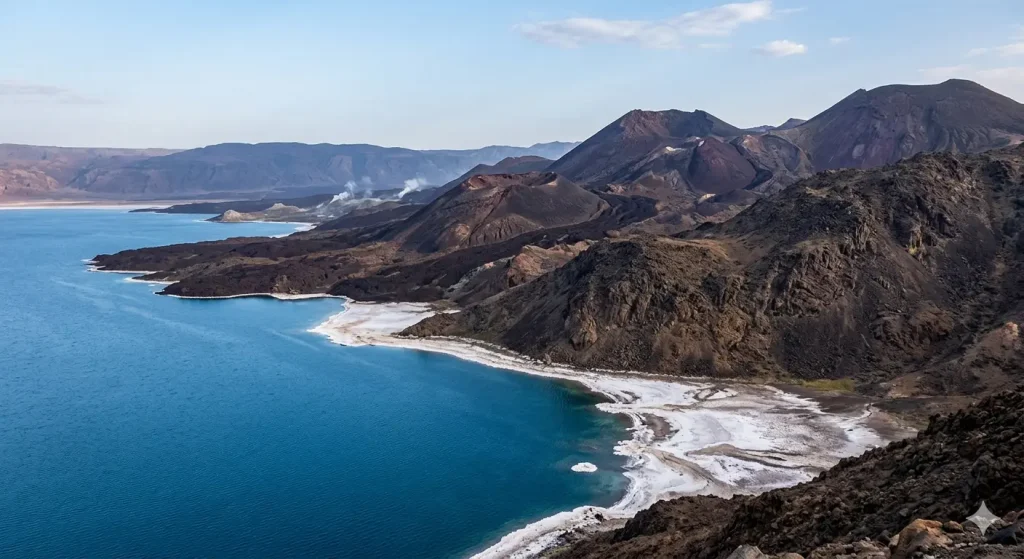
Lake Assal sits 155 meters below sea level and is considered the lowest point on the African continent. Surrounded by volcanic mountains and brilliant white salt flats, the lake creates scenery unlike almost anywhere else in the world.
Morning Drive Through the Great Rift Valley
The journey toward Lake Assal becomes part of the experience itself.
Roads wind through volcanic terrain, desert plains, and dramatic coastal viewpoints overlooking the Gulf of Tadjourah. Along the route, travelers often stop for photographs near lava fields and mountain ridges.
The contrast between black volcanic rock and bright salt formations becomes increasingly dramatic as the lake approaches.
Floating in Lake Assal
Because Lake Assal contains extremely high salt concentrations, floating in the water feels effortless for most travelers.
Many visitors compare the experience to the Dead Sea. However, Lake Assal feels far less commercialized and much more remote.
The surrounding white salt crust reflects sunlight intensely during midday hours. Consequently, sunglasses and sun protection become essential throughout the visit.
Travelers who want to explore the region comfortably often book a Lake Assal Tour that combines transportation, scenic viewpoints, salt lake exploration, and local guiding services.
Explore Ardoukoba Volcano and Desert Landscapes
Many tours combine Lake Assal with nearby volcanic landscapes such as Ardoukoba Volcano.
The region’s dark lava fields and rugged terrain highlight Djibouti’s extraordinary geological history. For adventure travelers especially, the area feels more like another planet than a traditional tourist destination.
Travelers interested in Djibouti’s volcanic landscapes often combine their experience with a Lake Assal and Ardoukoba Volcano Tour for a deeper exploration of the Great Rift Valley region.
After exploring the volcanic landscapes, travelers usually return to Djibouti City in the late afternoon before evening departures or overnight stays.
Extend Your Djibouti Itinerary with Desert Adventures
Many travelers who initially plan a short visit eventually decide to extend their itinerary after realizing how much Djibouti has to offer.
For travelers with extra time, desert expeditions provide some of the country’s most unforgettable experiences.
Explore the Surreal Landscapes of Lake Abbé
Lake Abbé is famous for its limestone chimneys, geothermal vents, and dramatic desert scenery near the Ethiopian border.
At sunrise and sunset, the landscape feels almost prehistoric. Steam rises slowly from the ground while shifting desert light transforms the volcanic terrain into one of the most photogenic locations in East Africa.
Travelers looking for a deeper desert adventure often choose a Lake Abbé Desert Tour or a Lake Abbé Overnight Expedition to experience the region under both sunrise and starlight conditions.
Discover Tadjourah and Sable Blanc Beach
Tadjourah offers a completely different atmosphere from Djibouti’s desert landscapes. Whitewashed coastal streets, calm turquoise water, and peaceful beaches create a more relaxed travel experience.
Nearby Sable Blanc Beach is especially popular for swimming, snorkeling, and coastal relaxation.
Travelers who want to combine beaches with marine excursions often include a Tadjourah Coastal Tour or a Sable Blanc Beach Tour as part of their Djibouti itinerary.
Where to Stay During a 3 Day Djibouti Itinerary
Most travelers choose to stay in Djibouti City because it provides the easiest access to airports, restaurants, tour departures, and transportation services.
Luxury travelers often prefer beachfront hotels or international-standard accommodations near the Gulf of Tadjourah. Meanwhile, budget travelers can find smaller guesthouses and local hotels within the city center.
Travelers planning overnight desert experiences near Lake Abbé or Tadjourah should prepare for more basic accommodation conditions compared to the capital.
Best Time to Follow This Djibouti Itinerary
The best period for this itinerary usually falls between November and February.
During these months:
- temperatures become more comfortable
- whale shark season takes place
- marine visibility improves
- road conditions remain favorable for excursions
Travelers visiting outside winter months can still complete the itinerary successfully. However, daytime temperatures become significantly hotter during summer.
How Much Does a 3 Day Trip to Djibouti Cost?
Djibouti is generally more expensive than many other African destinations because of its remote location and limited tourism infrastructure.
Travel costs usually include:
- international flights
- accommodation
- guided tours
- transportation
- meals
- visa expenses
Adventure tours involving private vehicles or marine excursions typically increase the overall budget. However, many travelers consider the unique experiences well worth the cost.
Important Travel Tips for First-Time Visitors to Djibouti
First-time travelers should prepare carefully before visiting Djibouti, especially when exploring remote desert or coastal regions.
Carry Cash for Smaller Purchases
Although some hotels and restaurants accept international cards, cash remains useful for local markets and smaller businesses.
Prepare for Heat and Sun Exposure
Djibouti’s desert climate can feel extremely intense, especially for travelers arriving from colder countries.
Hydration, sunscreen, lightweight clothing, and sunglasses quickly become essential throughout the trip.
Book Guided Excursions in Advance
Many of Djibouti’s most extraordinary experiences require organized transportation and local guides.
Booking tours early becomes especially important during whale shark season and peak travel months.
Why This Perfect 3 Day Djibouti Itinerary Works So Well
One of Djibouti’s greatest strengths is how quickly the country’s landscapes change within short travel distances.
In only three days, travelers can experience:
- marine wildlife
- volcanic lakes
- desert scenery
- coastal culture
- snorkeling adventures
- dramatic geological landscapes
Very few destinations allow visitors to swim beside whale sharks one day and stand among volcanic salt flats the next.
That combination of raw adventure, untouched scenery, and authentic travel experiences is exactly why Djibouti continues attracting more curious travelers from Europe and North America each year.
FAQ About a 3 Day Djibouti Itinerary
Is 3 days enough for Djibouti?
Yes. Three days is usually enough to experience Djibouti’s main highlights, including marine excursions, Lake Assal, and coastal scenery.
What is the best time for a 3 day Djibouti itinerary?
The best time is generally between November and February when temperatures are cooler and whale shark season takes place.
Can you swim with whale sharks during a 3 day trip?
Yes. Many travelers include whale shark snorkeling excursions as part of a 3 day Djibouti itinerary during winter months.
Is Djibouti expensive for tourists?
Djibouti is more expensive than some African destinations because of transportation costs and limited tourism infrastructure. However, the experiences are highly unique.
Do travelers need guided tours in Djibouti?
For remote areas such as Lake Assal, Lake Abbé, and marine excursions, guided tours are strongly recommended for safety and logistics.

 Français
  English