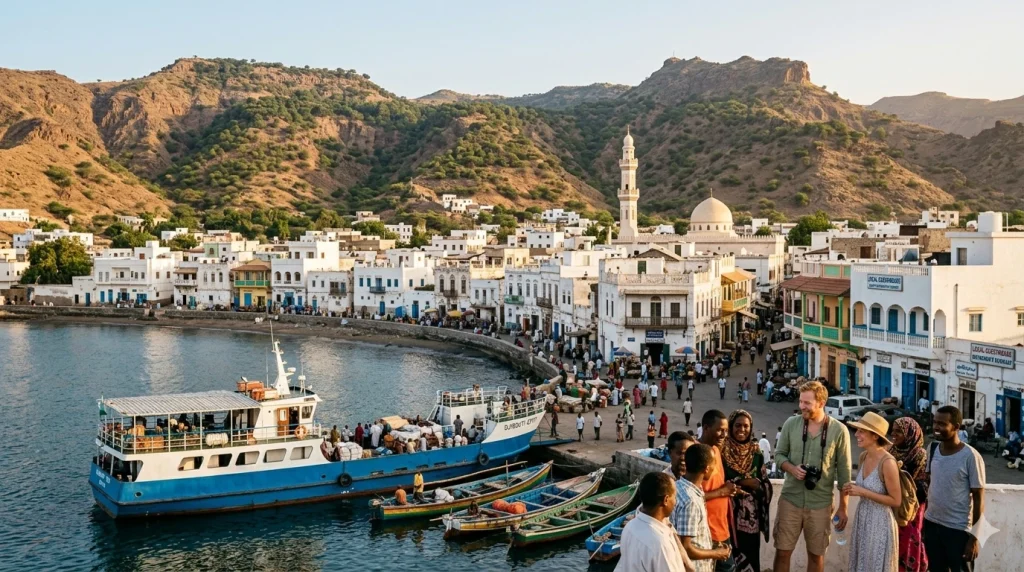
One of the first questions travelers ask before visiting a new destination is simple: Is Djibouti safe for tourists?
For most visitors, the answer is yes.
Djibouti is generally considered one of the more stable countries in the Horn of Africa and welcomes travelers seeking unique adventure experiences, volcanic landscapes, whale shark encounters, and remote desert expeditions. While every destination requires sensible precautions, most tourists who visit Djibouti experience a safe and enjoyable trip.
That said, Djibouti is not a typical mass-tourism destination. Travelers should understand local conditions, transportation logistics, climate challenges, and cultural expectations before arriving. Proper preparation can significantly improve both safety and overall travel enjoyment.
This guide explains what travelers from Europe, North America, Australia, and other international destinations should know before visiting Djibouti.
Is Djibouti Safe for Tourists in 2026?
For the vast majority of travelers, Djibouti is a safe destination when visited responsibly.
Most tourism activities take place around well-established routes connecting Djibouti City, Lake Assal, Lake Abbé, Tadjourah, and the Gulf of Tadjourah. These areas regularly welcome international visitors participating in guided tours, marine excursions, and cultural experiences.
Many travelers are surprised by how peaceful Djibouti feels compared to what they may expect from media coverage of the broader region. The country maintains political stability and serves as an important international shipping and military hub.
As with any destination, travelers should remain aware of their surroundings and follow local advice. However, ordinary tourism activities are generally considered safe when organized properly.
Understanding Safety in Djibouti
Safety in Djibouti is less about crime and more about preparation.
The country’s biggest challenges for visitors usually involve:
- extreme temperatures
- remote landscapes
- long travel distances
- dehydration risks
- limited services in rural areas
Travelers who prepare for these conditions often enjoy a smooth and trouble-free experience.
Crime and Personal Safety
Violent crime affecting tourists is relatively uncommon in Djibouti.
Most visitors spend their time exploring natural attractions, joining guided excursions, or staying in established accommodations. Basic precautions such as safeguarding valuables, avoiding isolated areas at night, and remaining aware of surroundings are usually sufficient.
As in any city worldwide, petty theft can occasionally occur in crowded public areas. However, most tourists report positive experiences throughout their stay.
Safety for American and European Travelers
Travelers from the United States, Canada, the United Kingdom, Germany, France, Italy, Spain, and other European countries regularly visit Djibouti without major safety issues.
Many visitors arrive specifically for:
- whale shark snorkeling
- desert expeditions
- geological exploration
- photography
- adventure travel
The country’s tourism sector remains relatively small, which often creates a more personal experience compared to heavily commercialized destinations.
Is Djibouti Safe for Solo Travelers?
Yes, many solo travelers visit Djibouti successfully.
However, Djibouti differs from destinations where travelers can easily rely on public transportation and large tourism networks. Attractions are spread across remote regions, and many of the country’s highlights require significant travel distances.
For this reason, solo travelers often benefit from joining organized excursions or booking a 3 Day Djibouti Itinerary that includes transportation and local guidance.
Traveling independently is possible, but logistical planning becomes much easier with local support.
Solo Travel Tips for Djibouti
Solo travelers should:
- share travel plans with family or friends
- carry sufficient water during excursions
- keep digital copies of important documents
- book accommodations in advance
- arrange transportation before leaving major cities
These simple precautions help ensure a smoother experience throughout the trip.
Is Djibouti Safe for Female Travelers?
Female travelers generally report positive experiences in Djibouti.
The country is conservative in many areas, particularly outside major hotels, beaches, and tourism zones. Respecting local customs and dressing modestly in public places is recommended.
Many women travel to Djibouti independently or as part of organized tours without encountering significant issues.
As with travel anywhere in the world, situational awareness remains important, especially when exploring unfamiliar areas alone at night.
Cultural Awareness for Female Visitors
Understanding local customs can help create a more comfortable travel experience.
Outside resort areas and beaches, clothing that covers shoulders and knees is generally appreciated. Respectful behavior and cultural awareness often lead to positive interactions with local communities.
Most visitors find Djiboutians welcoming, curious, and helpful toward international travelers.
Safety Tips for Exploring Remote Areas in Djibouti
Some of Djibouti’s most spectacular attractions are located far from urban centers. While these regions are generally safe, they require additional preparation.
Remote travel involves environmental challenges rather than security concerns.
Lake Assal Safety Tips
Lake Assal is one of Djibouti’s most visited natural attractions. The landscape is stunning, but temperatures can become extremely intense during the day.
Travelers joining a Lake Assal Tour should bring plenty of water, sun protection, and appropriate clothing.
The salt flats also reflect sunlight strongly, making sunglasses especially important.
Lake Abbé Safety Tips
Lake Abbé offers some of the most surreal scenery in Africa. However, it is also one of Djibouti’s most remote destinations.
Travelers generally experience the safest and most enjoyable visit through a Lake Abbé Desert Tour with experienced local guides familiar with road conditions and desert environments.
The region’s isolation makes proper planning particularly important.
Desert Travel Considerations
Djibouti’s desert landscapes are among its greatest attractions. However, desert environments require respect and preparation.
Heat, distance, and limited infrastructure can quickly become challenging for unprepared travelers.
Experienced guides help travelers navigate these conditions safely while maximizing the overall experience.
Transportation Safety in Djibouti
Transportation is often the biggest concern for first-time visitors.
While roads connecting major destinations are generally accessible, some remote areas require four-wheel-drive vehicles and local knowledge.
Travelers unfamiliar with the region often find that organized transportation simplifies the journey considerably.
Many visitors choose guided experiences such as a Tadjourah Coastal Tour or a Lake Assal Tour because transportation, navigation, and logistics are already arranged.
Why Guided Transportation Makes Travel Easier
Guided tours reduce the stress associated with:
- route planning
- fuel management
- navigation
- remote road conditions
- scheduling
This allows travelers to focus on enjoying the experience rather than worrying about logistics.
Health and Travel Precautions in Djibouti
Most visitors experience no major health problems during their trip.
However, Djibouti’s climate can be demanding, especially for travelers arriving from cooler countries.
Hydration becomes one of the most important aspects of staying healthy during the journey.
Protect Yourself From Heat and Dehydration
The combination of desert temperatures and strong sunlight can quickly lead to dehydration.
Travelers should drink water regularly throughout the day, even when they do not feel thirsty.
Lightweight clothing, sunscreen, sunglasses, and hats also help reduce heat-related discomfort.
Prepare for Marine Excursions
Travelers planning a Whale Shark Tour in Djibouti or a Moucha Island Snorkeling Tour should bring sun protection and waterproof storage for electronics.
Marine excursions often involve several hours on boats under direct sunlight.
Proper preparation significantly improves comfort during the experience.
Local Customs and Cultural Etiquette
Understanding local customs helps travelers feel more comfortable and respectful during their visit.
Djibouti’s culture reflects influences from Afar, Somali, Arab, and French traditions. This combination creates a fascinating cultural environment that many visitors find rewarding to experience.
Travelers who approach local communities with respect are usually welcomed warmly.
Simple gestures such as learning a few local greetings and dressing appropriately often create positive interactions.
Why Guided Tours Improve Safety in Djibouti
Many of Djibouti’s most memorable experiences take place in remote environments.
Guided tours help travelers navigate logistical challenges while benefiting from local knowledge and support.
Whether visiting volcanic landscapes, exploring remote deserts, or joining marine adventures, organized tours reduce uncertainty and improve overall convenience.
Travelers planning their first visit often start by reading How to Plan a Trip to Djibouti before selecting tours that match their interests and travel style.
Common Concerns Travelers Have About Djibouti
Many travelers researching Djibouti ask similar questions before booking their trip.
They often wonder:
- Is the country stable?
- Is it safe to travel independently?
- Are remote areas secure?
- Can women travel comfortably?
- Are guided tours necessary?
In most cases, these concerns disappear once travelers understand the realities of visiting Djibouti.
The country’s challenges are usually practical rather than security-related. Proper planning and realistic expectations solve most concerns before the trip even begins.
Is Djibouti Worth Visiting Despite Safety Concerns?
Absolutely.
Many travelers initially hesitate because Djibouti remains relatively unknown compared to destinations like Morocco, South Africa, or Tanzania.
However, those who visit often describe the experience as one of the most unique journeys they have ever taken.
Very few destinations allow travelers to:
- swim beside whale sharks
- float in a hypersaline lake
- explore volcanic landscapes
- cross dramatic desert environments
- experience uncrowded coastlines
All within a single trip.
Final Verdict: Is Djibouti Safe for Tourists?
Yes, Djibouti is generally safe for tourists who plan responsibly and travel with common sense.
Most visitors experience a welcoming atmosphere, remarkable landscapes, and unforgettable adventures throughout their stay.
The biggest challenges usually involve climate, logistics, and remote travel conditions rather than personal security concerns.
For travelers seeking something different from mainstream tourism, Djibouti offers one of Africa’s most rewarding adventure destinations.
FAQ About Safety in Djibouti
Is Djibouti safe for American tourists?
Yes. American travelers regularly visit Djibouti for adventure travel, whale shark excursions, and desert exploration.
Is Djibouti safe for solo travelers?
Yes, although organized transportation and guided tours can make travel easier and more convenient.
Is Djibouti safe for female travelers?
Generally yes. Female travelers who respect local customs and exercise normal travel precautions usually enjoy positive experiences.
What is the biggest safety concern in Djibouti?
Heat, dehydration, and remote travel logistics are often bigger concerns than crime.
Should travelers book guided tours in Djibouti?
For destinations such as Lake Assal, Lake Abbé, Tadjourah, and marine excursions, guided tours are highly recommended for convenience and safety.

 Français
  English