We are going to explore exactly why Djibouti is Africa’s hidden gem for modern adventure travelers. Djibouti remains one of the most underrated travel destinations in Africa. While many travelers focus on countries like Kenya, Tanzania, or Morocco, Djibouti quietly offers some of the continent’s most extraordinary landscapes and adventure experiences.
From whale shark snorkeling and volcanic lakes to desert safaris and hidden beaches, the country combines natural beauty with authentic cultural experiences. At the same time, Djibouti remains far less crowded than most popular African destinations. As a result, travelers can enjoy a more peaceful and exclusive experience.
Another reason Djibouti stands out is its incredible diversity. Within a single trip, visitors can explore surreal salt flats, snorkel in turquoise waters, hike through mountain forests, and camp beneath the stars in the Afar Desert.
For travelers looking for something unique, raw, and unforgettable, Djibouti truly feels like Africa’s hidden gem.
Why Djibouti Is One of Africa’s Most Underrated Destinations
Unlike many overcrowded travel destinations, Djibouti still feels raw, authentic, and largely untouched by mass tourism. As a result, travelers can experience dramatic landscapes and cultural encounters without dealing with busy tourist crowds or commercialized attractions.
Many visitors arrive with very few expectations. However, they quickly discover a country filled with volcanic lakes, hidden beaches, desert plains, and underwater adventures that rival some of the world’s most famous destinations.
Another reason Djibouti stands out is its geographical diversity. Within just a few hours, travelers can move from turquoise coastal waters to volcanic salt flats, then continue toward mountain forests and canyon trails. Few countries in Africa offer such dramatic contrasts in such a compact area.
Moreover, Djibouti remains one of the best destinations for travelers searching for unusual and lesser-known experiences. Instead of following crowded safari routes or resort tourism, visitors can enjoy something that feels genuinely exclusive and undiscovered.
Explore Unique Landscapes Found Only in Djibouti
Djibouti’s landscapes often feel more like scenes from another planet than traditional travel destinations. The country sits within the Great Rift Valley, where tectonic activity has shaped extraordinary volcanic scenery over millions of years.
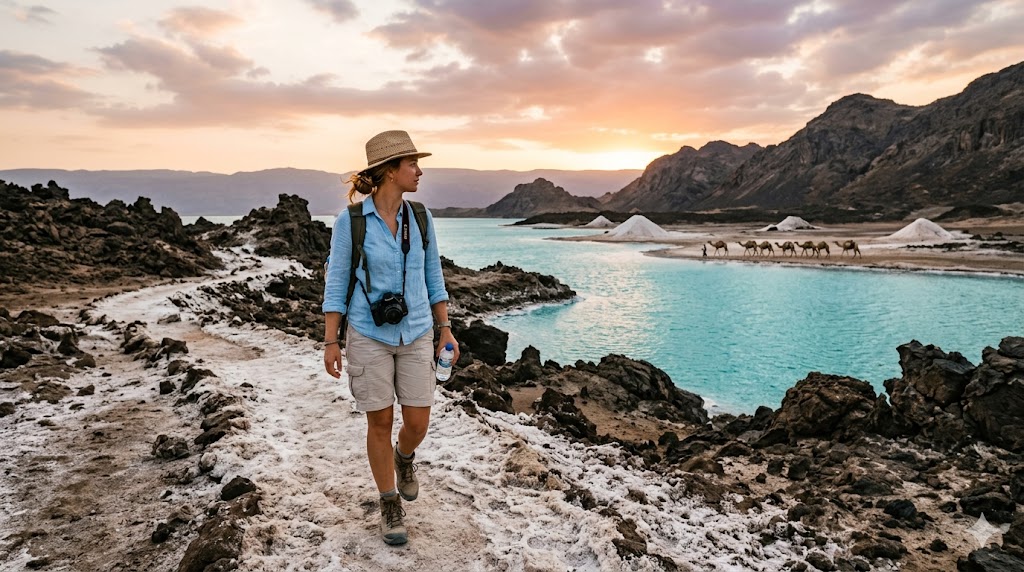
At Lake Assal, brilliant white salt flats stretch endlessly beneath the intense African sun. Meanwhile, black volcanic cliffs surround the lake and create one of the most dramatic natural contrasts in East Africa. Because the lake contains extremely high salt concentration, travelers can float effortlessly while surrounded by surreal desert scenery.
Farther inland, Lake Abbé offers a completely different atmosphere. Towering limestone chimneys rise from the desert floor while geothermal steam escapes through volcanic vents. During sunrise and sunset, the landscape transforms into one of the most photogenic locations in Africa.
The diversity continues along the coastline. Crystal-clear water, coral reefs, and white sandy beaches near Moucha Island and Sable Blanc create tropical scenery rarely associated with East Africa.
Experience Authentic Culture and Local Hospitality
Beyond the landscapes, Djibouti also delivers meaningful cultural experiences. The country’s identity reflects a fascinating mix of Afar, Somali, Arab, French, and Ethiopian influences. Consequently, visitors experience a unique blend of languages, traditions, architecture, and cuisine throughout the journey.
Traditional markets in Djibouti City provide a vivid introduction to local daily life. Spices, fabrics, handcrafted goods, and fresh seafood create an energetic atmosphere filled with color and movement.
Meanwhile, traveling through remote Afar villages reveals another side of the country. Nomadic communities continue preserving traditions that have existed for generations across the desert regions of Djibouti.
Food also plays an important role in the travel experience. Local cuisine combines African, Middle Eastern, and French influences into flavorful dishes that reflect the country’s multicultural heritage.
Best Natural Wonders to Explore in Djibouti
Djibouti may be small in size, but the country contains some of the most extraordinary natural attractions in Africa. From underwater ecosystems to volcanic deserts, every region offers a completely different experience.
For adventure travelers and photographers especially, Djibouti feels like an endless collection of hidden natural wonders waiting to be explored.
Explore Lake Assal and Volcanic Landscapes in Djibouti
Lake Assal is often considered the crown jewel of Djibouti’s natural attractions. Located 155 meters below sea level, it is the lowest point in Africa and one of the saltiest lakes in the world.
Standing beside the lake feels almost unreal. Bright white salt flats reflect sunlight across the surrounding volcanic terrain, while dark lava formations rise dramatically in the distance. In addition, the silence of the landscape creates a peaceful atmosphere unlike anywhere else in East Africa.
Because of the lake’s extremely high salinity, floating in the water requires almost no effort. Many travelers compare the experience to the Dead Sea, although Lake Assal remains far less crowded and significantly more untouched.
The surrounding region also offers fascinating geological scenery. Ghoubet El Kharab, often called the “Bay of the Demon,” reveals dramatic volcanic coastlines and deep blue water framed by Rift Valley cliffs.
Discover the Surreal Chimneys of Lake Abbé
Lake Abbé is one of Djibouti’s most unforgettable destinations. Massive limestone chimneys rise from the desert while geothermal steam escapes into the sky, creating a landscape that feels prehistoric and mysterious.
Sunrise is especially magical here. As golden light spreads across the chimneys and volcanic plains, the entire landscape changes color and atmosphere within minutes. Consequently, photographers and filmmakers often consider Lake Abbé one of the most visually spectacular locations in Africa.
The area also supports surprising wildlife despite its harsh environment. Flamingos gather along the lake’s edge, while nomadic Afar herdsmen move through the desert with goats and camels.
Spending the night in a traditional desert camp makes the experience even more memorable. Once darkness falls, the lack of light pollution reveals an incredible sky filled with stars above the volcanic landscape.
Swim with Whale Sharks in the Gulf of Tadjourah
Between November and February, Djibouti becomes one of the best places in the world for whale shark encounters. During this period, plankton-rich water attracts these gentle giants to the Gulf of Tadjourah near Ras Korali.
Unlike many whale shark destinations around the world, Djibouti’s marine environment still feels peaceful and uncrowded. As a result, snorkeling experiences often feel far more personal and natural.
Swimming beside a whale shark is both humbling and unforgettable. Although these creatures can grow larger than a bus, they move slowly and peacefully through the water while feeding near the surface.
Beyond whale sharks, Djibouti’s marine ecosystem contains vibrant coral reefs, tropical fish, sea turtles, and crystal-clear snorkeling conditions that continue attracting divers and marine photographers from around the world.
Relax on Hidden Beaches and Islands in Djibouti
Many travelers are surprised to discover that Djibouti also offers beautiful beaches and island escapes. Along the Gulf of Tadjourah, turquoise water and coral reefs create tropical scenery that rivals far more famous coastal destinations.
Moucha Island remains one of the country’s most popular marine destinations. Calm water, white sand, and colorful coral gardens make the island perfect for snorkeling and relaxation.
Meanwhile, Sable Blanc Beach offers a quieter and more peaceful coastal experience. The combination of powdery white sand and clear blue water creates an ideal setting for swimming, photography, and beachside relaxation.
Because tourism remains relatively limited, many beaches in Djibouti still feel private and untouched. That sense of exclusivity is becoming increasingly rare in modern travel destinations.
Why Djibouti Is Perfect for Adventure Travel
Adventure travelers are increasingly choosing Djibouti because the country offers experiences that remain rare in modern tourism. Instead of crowded attractions and commercial tour routes, visitors discover raw landscapes, remote regions, and authentic exploration opportunities.
One of the biggest advantages of traveling in Djibouti is the diversity of adventure activities available within a short distance. In just a few days, travelers can snorkel beside whale sharks, cross volcanic deserts, hike mountain canyons, and relax on tropical beaches.
Additionally, Djibouti’s relatively untouched tourism industry creates a stronger sense of discovery. Many locations still feel unexplored, which makes every journey feel more personal and exclusive.
Experience Desert Safaris and Off-Road Adventures
Djibouti’s desert landscapes create ideal conditions for off-road exploration and safari experiences. Vast clay plains, volcanic terrain, and isolated nomadic settlements provide scenery that changes dramatically throughout the journey.
Crossing the Grand Barra Desert is especially unforgettable. Endless open landscapes stretch toward the horizon while 4×4 vehicles move across hard-packed desert plains once covered by ancient lakes.
Meanwhile, remote villages throughout the Afar region offer travelers a closer look at traditional nomadic lifestyles that have existed for generations. Camels, goats, and temporary desert settlements remain part of everyday life in these regions.
The journey itself often becomes just as memorable as the destinations. Dramatic sunsets, wildlife sightings, and volcanic scenery transform every road trip into an adventure experience.
Enjoy Snorkeling, Diving, and Marine Exploration
Although Djibouti is famous for deserts and volcanoes, its marine ecosystem remains one of the country’s greatest hidden treasures. The warm waters of the Gulf of Tadjourah contain colorful coral reefs, tropical fish, and excellent snorkeling conditions throughout much of the year.
Unlike overcrowded diving destinations, Djibouti’s underwater environment still feels peaceful and natural. Consequently, marine activities often feel far more intimate and authentic.
Moucha Island and Ras Korali are among the country’s best snorkeling locations. Coral gardens filled with marine life create excellent underwater visibility for both beginners and experienced divers.
During whale shark season, the experience becomes even more extraordinary. Swimming beside the world’s largest fish in calm turquoise water creates a moment many travelers describe as life-changing.
Discover Mountains, Canyons, and Forest Trails
Many visitors are surprised to discover that Djibouti also contains mountain forests and green highlands. The Goda Mountains, located near Tadjourah, reveal a cooler and more fertile side of the country.
Forest trails, hidden waterfalls, and rocky canyons create excellent hiking opportunities for eco-tourism travelers. At the same time, the region supports endemic wildlife species rarely seen elsewhere in the Horn of Africa.
The contrast between volcanic deserts and mountain greenery makes Djibouti especially unique. Few destinations allow travelers to experience such dramatic environmental changes within a single journey.
How to Travel to Djibouti from Europe and the USA
Although Djibouti remains less known than other African destinations, reaching the country is easier than many travelers expect. Several international airlines connect Djibouti with major global transit hubs across Europe, the Middle East, and Africa.
Djibouti–Ambouli International Airport serves as the country’s main international gateway. Because the airport is located close to the capital city, travelers can quickly access hotels, restaurants, and tour departure points after arrival.
Best Airlines Flying to Djibouti
Travelers from Europe and the United States usually reach Djibouti through connecting flights. Ethiopian Airlines, Turkish Airlines, Qatar Airways, and Air France are among the most popular options.
Many European travelers connect through Istanbul, Paris, Doha, or Addis Ababa before continuing toward Djibouti. Meanwhile, travelers from the United States commonly transit through Europe or the Middle East.
Ethiopian Airlines is often considered one of the most convenient choices because of its extensive African network and relatively smooth transit connections through Addis Ababa.
Djibouti Visa Requirements for International Travelers
Most international visitors can apply for a Djibouti eVisa online before arrival. In general, the process is straightforward and accessible for European and American travelers.
Applicants usually need:
- passport copy
- travel itinerary
- accommodation details
- passport-sized photograph
Processing times can vary, so travelers should apply in advance before booking final travel arrangements.
Because visa policies occasionally change, checking the latest official requirements before departure is always recommended.
Where to Stay in Djibouti for Every Budget
Djibouti offers accommodation options ranging from luxury seaside hotels to authentic desert camps. As tourism continues growing, travelers now have more choices for both comfort and adventure experiences.
Best Luxury Hotels and Resorts in Djibouti
Luxury travelers can find modern hotels and beachfront resorts primarily in Djibouti City and Tadjourah. Many premium properties include ocean views, private beaches, swimming pools, and fine dining experiences.
Some resorts near Tadjourah also provide direct access to beaches and snorkeling areas, creating a more peaceful coastal atmosphere away from the capital.
Business travelers and international visitors often prefer staying in Djibouti City because of its convenient airport access and modern hotel facilities.
Desert Camps and Eco Lodges in Djibouti
For travelers seeking adventure, overnight desert camps near Lake Abbé create one of the most unforgettable experiences in the country.
Traditional Afar-style dome huts allow visitors to sleep beneath star-filled desert skies while surrounded by volcanic landscapes and geothermal scenery.
Meanwhile, eco-lodges and mountain camps in the Goda Mountains provide cooler temperatures, hiking access, and peaceful forest environments for nature lovers.
How Much Does a Djibouti Trip Cost?
Many travelers assume Djibouti is extremely expensive because of its remote location and smaller tourism industry. While some services cost more than in neighboring countries, travelers can still plan trips across different budget levels.
Overall costs usually depend on:
- transportation style
- accommodation quality
- private tours
- activity choices
- season of travel
Daily Budget for Backpackers and Luxury Travelers
Budget travelers can reduce expenses by using guesthouses, local restaurants, and shared transportation options. However, independent travel can sometimes become difficult because many attractions are located in remote regions.
Mid-range travelers often choose guided day tours combined with comfortable hotels in Djibouti City.
Luxury travelers typically prefer private 4×4 expeditions, speedboat excursions, premium accommodations, and multi-day adventure packages across the country.
Transportation and Tour Costs in Djibouti
Transportation remains one of the biggest travel expenses in Djibouti. Many natural attractions require private vehicles because public transport rarely reaches remote desert or coastal destinations.
As a result, organized tours are often the easiest and safest option for international visitors. Most guided experiences include:
- transportation
- permits
- meals
- accommodation
- local guides
This combination usually provides better overall value while simplifying logistics in remote areas.
Is Djibouti Safe for Tourists?
Djibouti is generally considered one of the safer travel destinations in the Horn of Africa. In addition, the country remains politically stable compared to several neighboring regions.
Most tourists travel safely throughout the country, especially when using experienced local guides or organized tours. Nevertheless, travelers should still follow standard precautions and remain aware of local conditions.
Because many attractions are located in hot desert environments, staying hydrated and preparing for extreme temperatures is extremely important.
Travelers should also:
- carry sun protection
- wear lightweight clothing
- keep copies of travel documents
- follow local cultural customs
Guided tours remain highly recommended for remote regions such as Lake Abbé, Lake Assal, and the Grand Barra Desert.
Best Time to Visit Djibouti for Adventure Travel
Djibouti can be visited throughout the year. However, the most comfortable travel conditions usually occur between November and February when temperatures become cooler.
This period is especially popular for:
- whale shark snorkeling
- desert expeditions
- hiking
- beach activities
- photography tours
Meanwhile, marine visibility and underwater conditions also improve during the whale shark season near Ras Korali.
Travelers visiting during hotter months should prepare for intense desert temperatures, especially around Lake Assal and the Afar Depression.
Early mornings and sunset hours often provide the best conditions for sightseeing and photography across the country.
Why Djibouti Deserves More Attention from Travelers
Modern travelers increasingly search for destinations that still feel authentic, uncrowded, and adventurous. Djibouti delivers exactly that experience.
Instead of mass tourism and overcrowded attractions, the country offers volcanic landscapes, hidden beaches, desert expeditions, marine adventures, and cultural encounters that still feel genuine and undiscovered.
Few destinations in Africa combine whale sharks, salt lakes, volcanoes, tropical islands, desert camps, and mountain forests within such short travel distances.
As global tourism continues growing, truly untouched destinations are becoming increasingly rare. Djibouti still offers that feeling of discovery many travelers believe has disappeared from modern travel.
For adventure seekers, photographers, divers, and nature lovers especially, Djibouti remains one of Africa’s most remarkable hidden gems.
FAQ Why Djibouti Is Africa’s Hidden Gem
Why is Djibouti called Africa’s hidden gem?
Djibouti is often called Africa’s hidden gem because of its unique volcanic landscapes, whale shark experiences, salt lakes, beaches, and low tourist crowds.
What is the best time to visit Djibouti?
The best time to visit Djibouti is usually between November and February when temperatures are cooler and whale shark season takes place.
Is Djibouti expensive for tourists?
Djibouti can be expensive compared to some African countries, especially for private tours and transportation. However, travelers can still find options for different budgets.
What are the best places to visit in Djibouti?
Popular destinations include Lake Assal, Lake Abbé, Moucha Island, Tadjourah, the Goda Mountains, and the Gulf of Tadjourah.
Can tourists swim with whale sharks in Djibouti?
Yes. Djibouti is one of the best places in the world for whale shark snorkeling, especially near Ras Korali between November and February.

 Français
  English