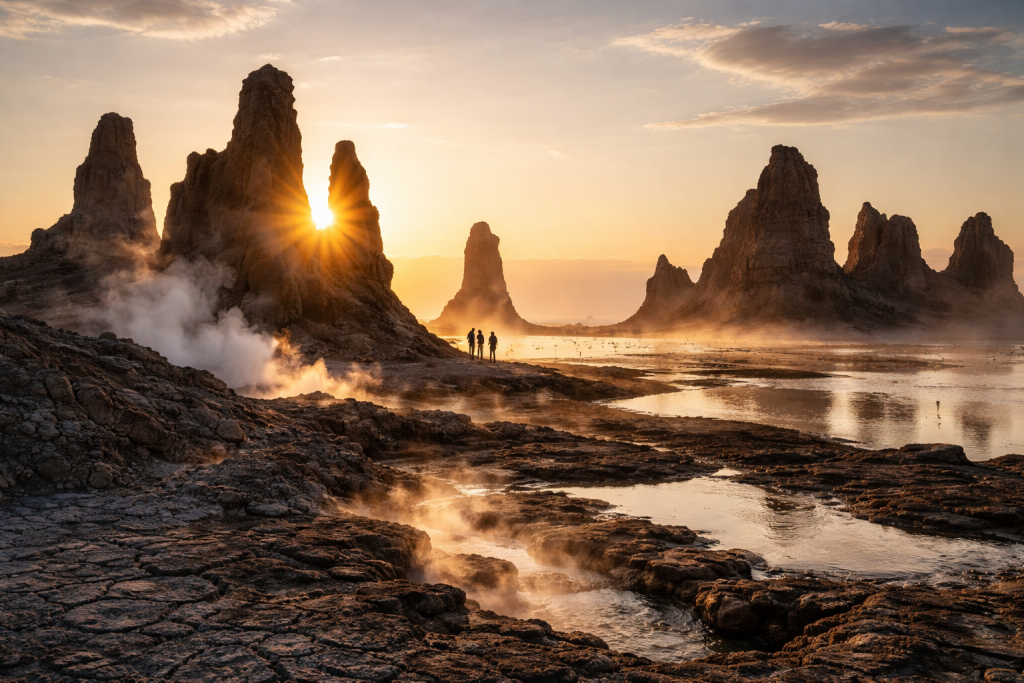
The Lake Abbe Chimneys Expedition takes you into one of the most unusual landscapes on Earth. The environment is shaped by geothermal forces, isolation, and time. Located near the Djibouti–Ethiopia border, Lake Abbe is known for its towering limestone chimneys that rise dramatically from a flat desert basin, often releasing steam into the air.
What makes this destination different is not just its appearance, but the feeling it creates. The silence, the scale, and the raw terrain give you a sense of being completely removed from modern civilization. It’s the kind of place where the journey matters just as much as the destination.
For travelers who want something beyond typical safari routes or beach destinations, this expedition offers a rare combination of adventure, geology, and visual storytelling.
How Lake Abbe’s Chimneys Were Formed
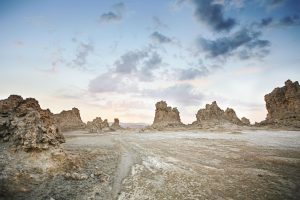
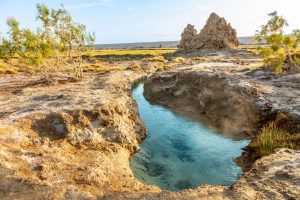
The chimneys of Lake Abbe are the result of long-term geothermal activity beneath the Earth’s surface. Hot mineral-rich water rises through cracks in the ground, and over time, these minerals solidify into tall limestone structures.
Some of these formations reach heights of up to 50 meters, creating a forest of stone pillars across the desert. In certain areas, you’ll see steam rising from vents around the chimneys, giving the entire landscape a dynamic and almost surreal appearance.
This natural process is still active, which means the landscape is continuously evolving. That’s part of what makes the Lake Abbe Chimneys Expedition so unique—you’re witnessing a living geological environment.
Cultural Connection with the Afar People

The Lake Abbe region is home to the Afar people, a nomadic community that has adapted to one of the harshest environments on Earth. Their lifestyle is closely connected to the land, relying on livestock, trade, and deep knowledge of the desert.
During your expedition, you may interact with local communities or observe their traditional huts and daily routines. This cultural element adds depth to the experience, turning it from a simple landscape visit into a more meaningful journey.
Respect for local customs is important. Always follow your guide’s advice when interacting with communities.
Photography Tips for Capturing Lake Abbe
Lake Abbe is a dream destination for photographers, but capturing its full beauty requires some planning.
- Use wide-angle lenses to capture the scale of the chimneys
- Shoot during golden hour for dramatic shadows
- Include human subjects for scale and storytelling
- Use silhouettes during sunrise/sunset for cinematic shots
The changing light conditions make every moment unique, so patience is key.
The Route: What the Journey Looks Like
Reaching Lake Abbe is not straightforward, and that’s exactly what makes it special.
The journey usually begins from Djibouti City and heads southwest into increasingly remote terrain. As paved roads disappear, the landscape opens into vast desert plains with minimal signs of human activity. Along the way, you may pass nomadic settlements and dry lakebeds that hint at the region’s climatic extremes.
This route is only accessible with a 4×4 vehicle, and the drive itself becomes part of the expedition. The constant change in terrain—from rocky surfaces to flat desert—keeps the experience engaging from start to finish.
Experiencing Lake Abbe on Foot
Once you arrive, the real experience begins on foot.
Walking among the chimneys gives you a sense of scale that photos cannot capture. Some structures tower above you, while others form clusters that create natural pathways through the landscape.
The ground beneath your feet is uneven, with a mix of hardened minerals and cracked الأرض. Every step feels like you’re exploring a place untouched by time.
There’s no rush here. The best way to experience Lake Abbe is to move slowly, observe details, and absorb the silence.
Why Sunrise and Sunset Matter Here
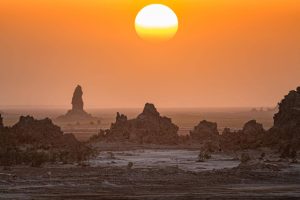
Lighting completely transforms Lake Abbe.
At sunrise, the chimneys appear as dark silhouettes against a soft golden sky. The low angle of light enhances textures and creates long shadows across the الأرض.
By sunset, the colors shift again—warmer, deeper, and more dramatic. The entire landscape takes on a cinematic quality that makes it one of the most photogenic locations in Africa.
This is why many travelers choose overnight expeditions. Experiencing both sunrise and sunset is not just recommended—it’s essential.
Wildlife and Unexpected Life in the Desert
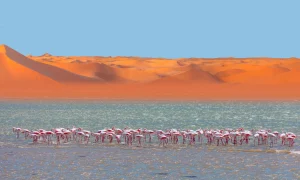
Despite its harsh conditions, Lake Abbe supports a surprising amount of life.
Flamingos are often seen around the المياه, adding movement and color to the otherwise dry environment. You may also encounter birds and small desert الحيوانات that have adapted to this extreme ecosystem.
This contrast between الحياة and harsh terrain adds another layer to the experience. It reminds you that even the most extreme environments can sustain life in unique ways.
Staying Overnight: What It’s Really Like
Spending a night near Lake Abbe changes the entire experience.
Accommodation is basic: usually traditional huts or simple camps managed by local communities. There are no luxury facilities, but that’s part of the appeal. You are fully immersed in the environment.
At night, the sky becomes the highlight. With no light pollution, the stars are incredibly clear, creating a quiet and reflective atmosphere.
Practical Travel Insights You Should Know
Preparation plays a big role in how enjoyable your expedition will be.
- Temperatures can be extreme during the day, so plan around early morning or late afternoon
- Always carry enough water—this is a dry, remote المنطقة
- Wear strong footwear for walking on uneven ground
- Travel with experienced guides to avoid navigation risks
These small precautions make a big difference in ensuring a smooth experience.
Comparing Lake Abbe vs Lake Assal (Which One to Choose?)
Many travelers wonder whether to visit Lake Abbe or Lake Assal. The answer depends on your travel style.
- Lake Abbe: More remote, surreal, and ideal for photography and adventure
- Lake Assal: Easier access, bright salt flats, and shorter trips
If you have time, visiting both provides a complete understanding of Djibouti’s extreme landscapes.
Common Mistakes Travelers Should Avoid
- Underestimating the heat and not carrying enough water
- Visiting only during midday (worst lighting + extreme heat)
- Skipping overnight stay (missing the best experience)
- Not bringing proper footwear for rough terrain
- Trying to travel without a guide
Avoiding these mistakes ensures a smoother and more enjoyable expedition.
Is Lake Abbe Chimneys Expedition Right for You?
The Lake Abbe Chimneys Expedition is not designed for luxury travel—it’s designed for exploration.
If you enjoy remote destinations, unique landscapes, and meaningful travel experiences, this will be a perfect fit. It’s especially valuable for photographers, filmmakers, and travelers looking to go beyond typical itineraries.
However, if you prefer structured tours with modern comforts, this experience may feel too raw.
Frequently Asked Questions
What makes Lake Abbe different from other desert destinations?
Lake Abbe stands out because of its limestone chimneys and geothermal activity. Unlike typical deserts, it offers a combination of geological formations, steam vents, and unique lighting conditions.
How physically demanding is the expedition?
The expedition is not physically demanding, but it does involve walking on uneven terrain and long travel hours in a 4×4 vehicle.
Can you visit Lake Abbe in one day?
It is possible, but not recommended. An overnight stay allows you to experience sunrise and sunset, which are the highlights of the location.
Is a guide necessary for this trip?
Yes, traveling with a guide is strongly recommended due to the remote location and lack of clear routes.
What is the best time of year for this expedition?
The cooler months between November and March provide the most comfortable conditions for travel and exploration.

 English
  Français